

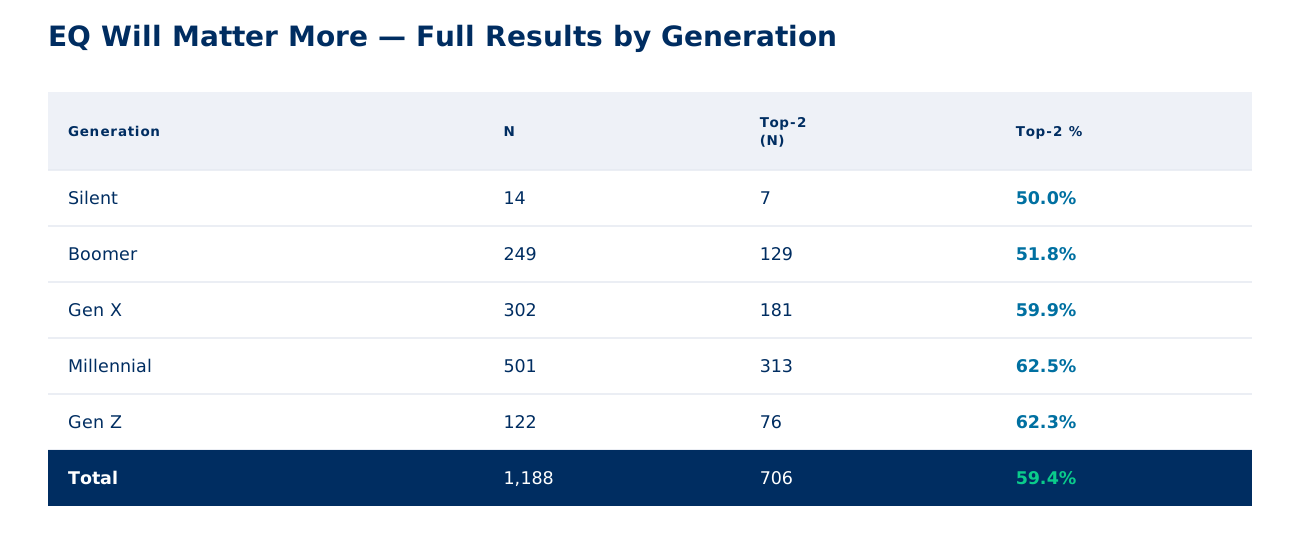
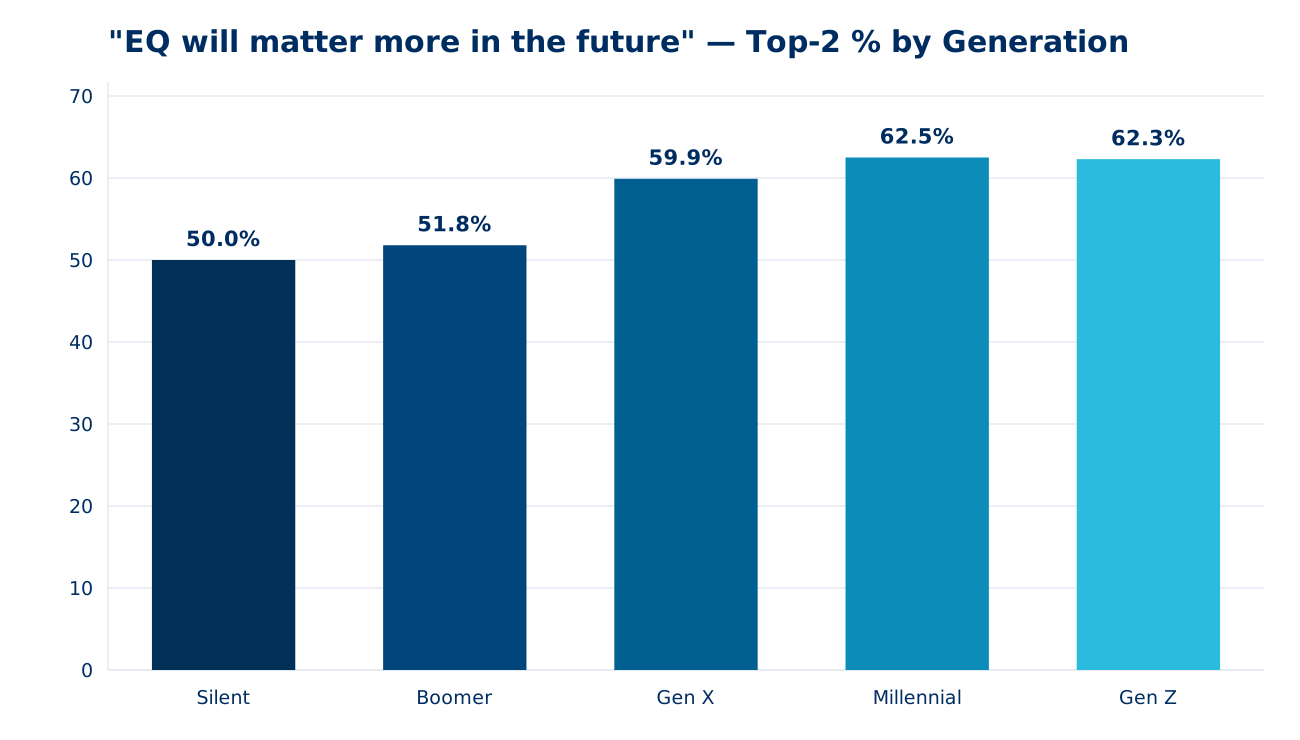
We already know where we're going.In the book: Roughly 60% of respondents said emotional intelligence will matter even more in the future of work.
In the book: Roughly 60% of respondents said emotional intelligence will matter even more in the future of work.
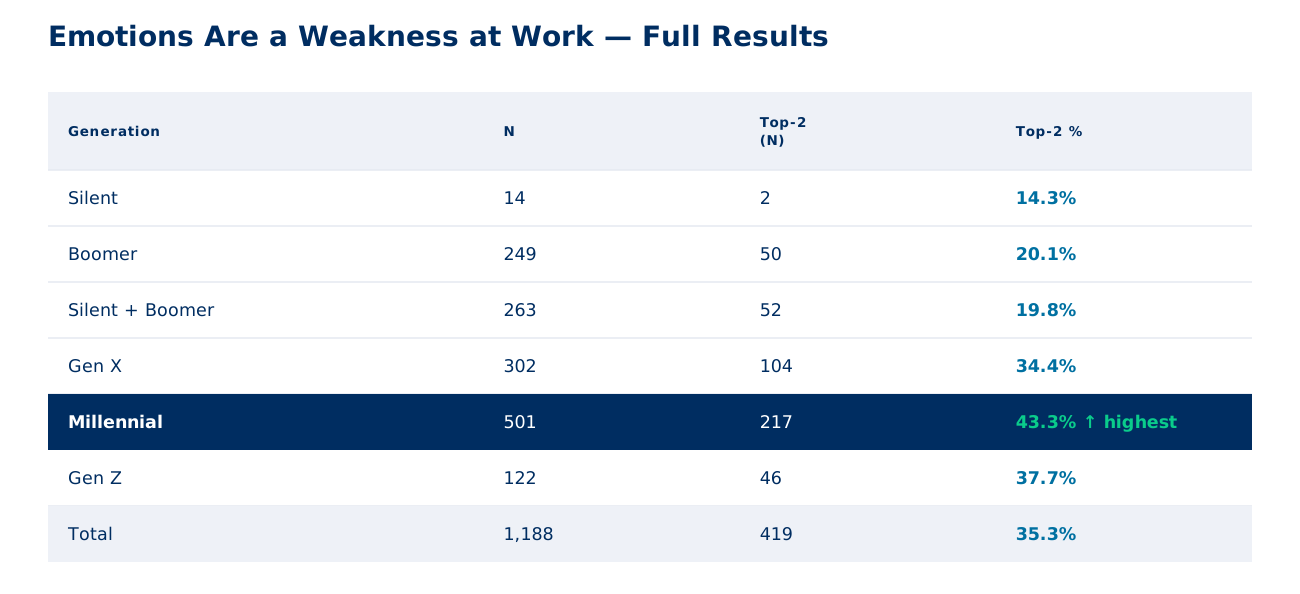
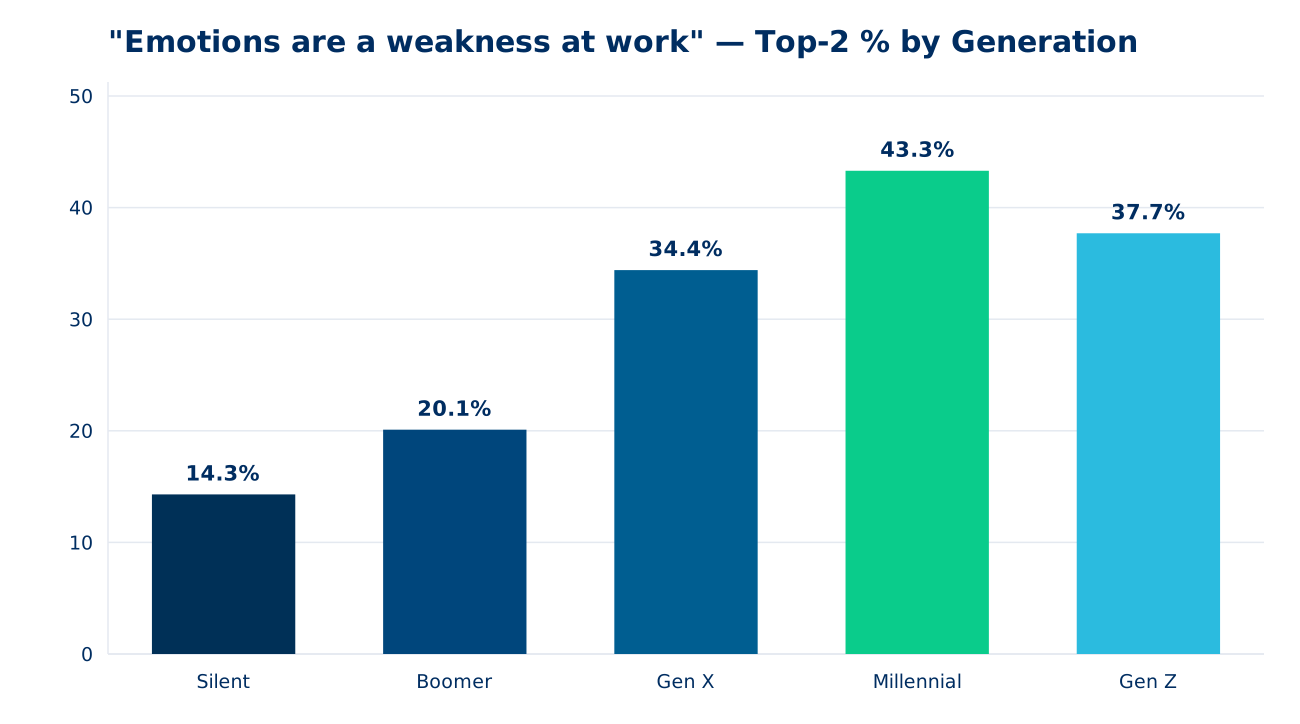
The "Emotion Is Weakness" Myth Is Officially DyingIn the book: 35% of working adults still agree that emotions are a weakness at work, and counterintuitively, Millennials hold that belief most strongly, not older generations.
In the book: 35% of working adults still agree that emotions are a weakness at work, and counterintuitively, Millennials hold that belief most strongly, not older generations.
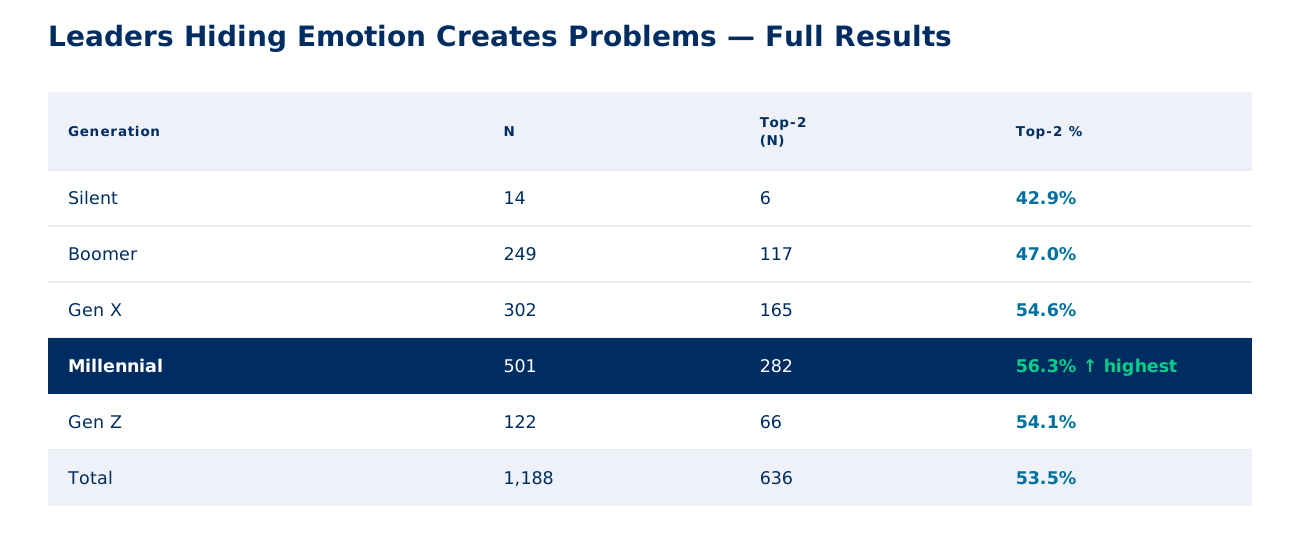
Leaders Write the Emotional Rule BookIn the book: More than half of respondents (53.6%) agree that when leaders hide their emotions, it creates more problems than it solves. Leaders themselves feel the most pressure to suppress: 66% of leaders vs 47% of non-leaders agree leaders feel more pressure to hide emotions than other employees.
In the book: More than half of respondents (53.6%) agree that when leaders hide their emotions, it creates more problems than it solves. Leaders themselves feel the most pressure to suppress: 66% of leaders vs 47% of non-leaders agree leaders feel more pressure to hide emotions than other employees.
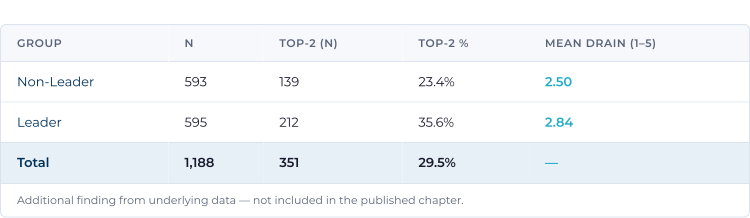
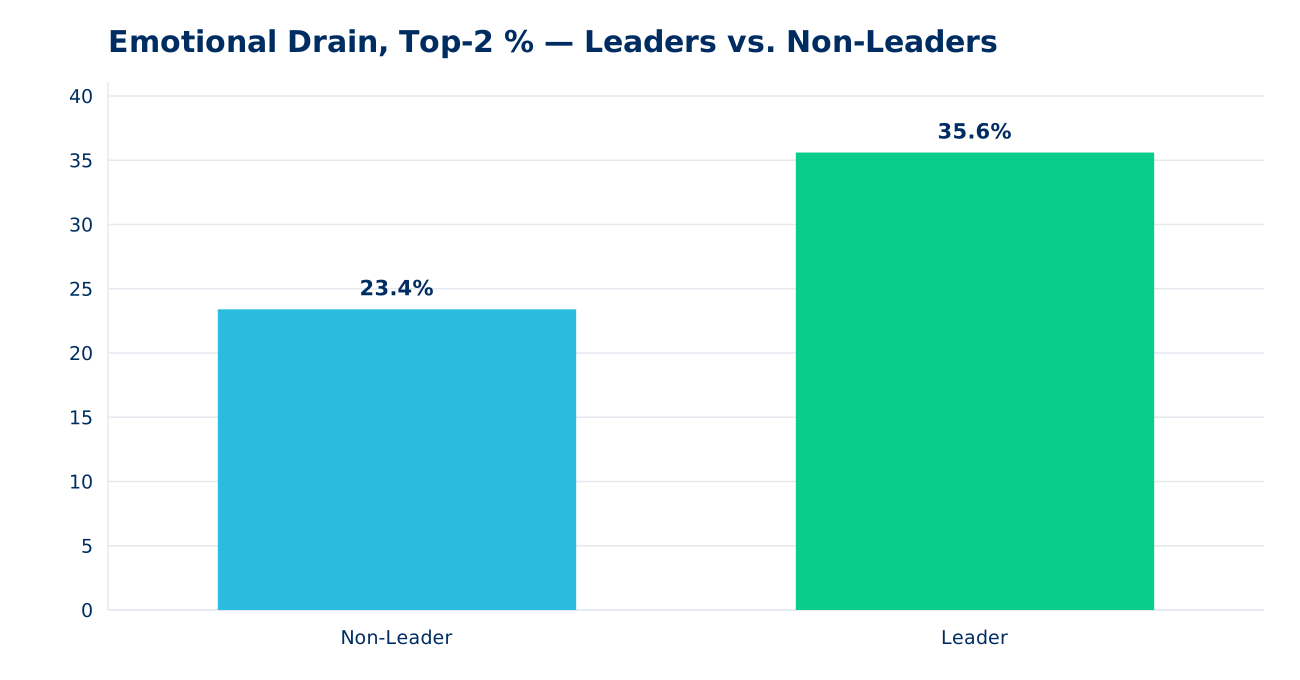
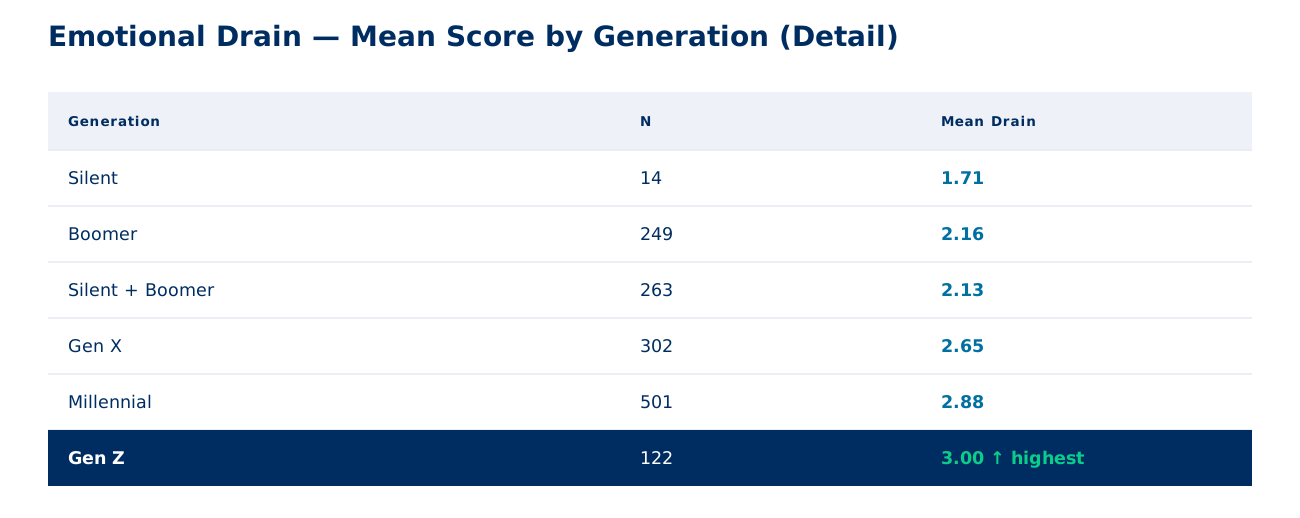
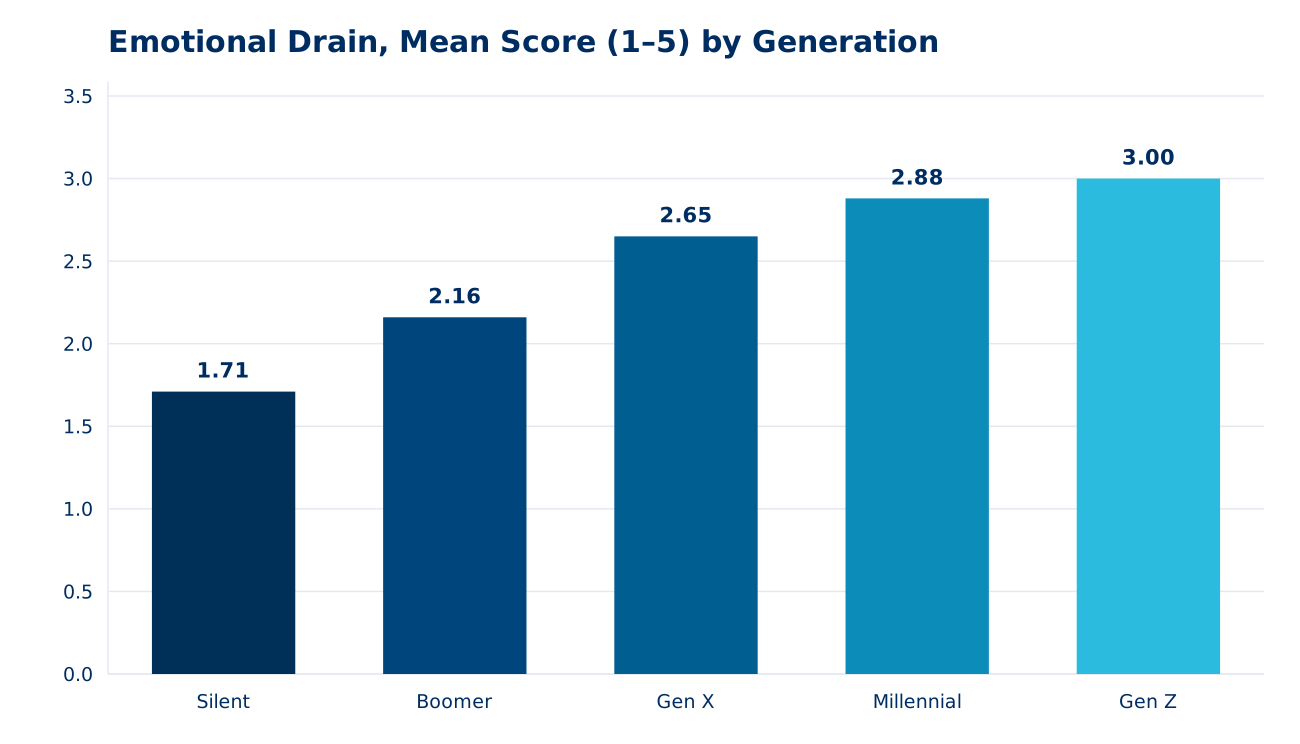
Enlightened but Exhausted: The Cost of ProgressIn the book: Emotional drain rises steadily by generation, and younger workers hold the most emotionally open values while paying the highest emotional cost for the gap between those values and the workplaces they've inherited.
In the book: Emotional drain rises steadily by generation, and younger workers hold the most emotionally open values while paying the highest emotional cost for the gap between those values and the workplaces they've inherited.

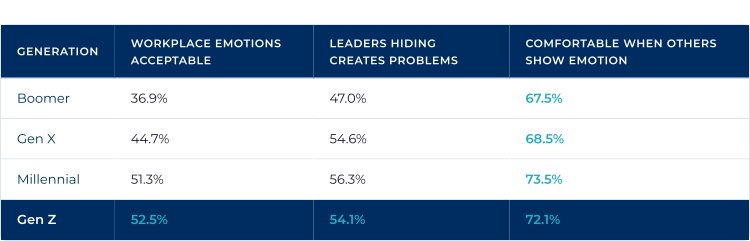
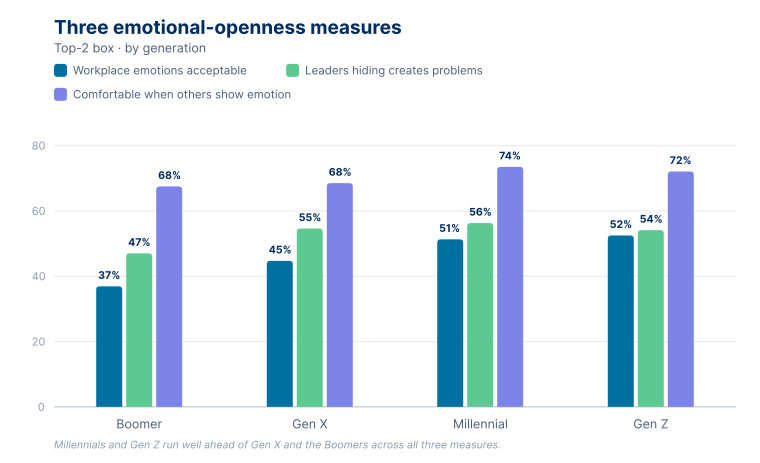
Younger Workers Are the Most Emotionally OpenIn the book: Younger cohorts are more likely to see their workplace as accepting of emotional expression, more likely to say leaders hiding emotions creates problems, and more likely to feel comfortable when colleagues express emotion, with Millennials and Gen Z together leading a cultural shift..
In the book: Younger cohorts are more likely to see their workplace as accepting of emotional expression, more likely to say leaders hiding emotions creates problems, and more likely to feel comfortable when colleagues express emotion, with Millennials and Gen Z together leading a cultural shift..
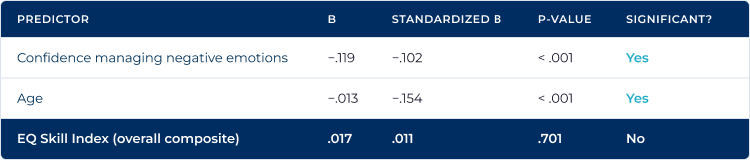
EQ Is Your Personal Battery SaverIn the book: One EQ skill in particular, confidence in managing negative emotions, is significantly associated with lower emotional drain. Average EQ scores in the sample sit around a healthy 3.7 out of 5 (rescaled from a 1–6 scale).
In the book: One EQ skill in particular, confidence in managing negative emotions, is significantly associated with lower emotional drain. Average EQ scores in the sample sit around a healthy 3.7 out of 5 (rescaled from a 1–6 scale).
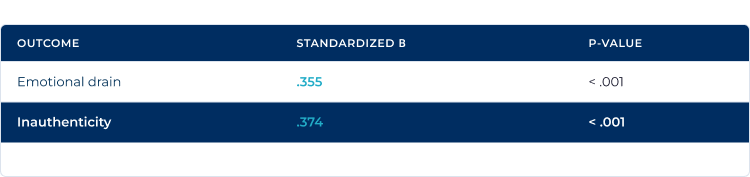
You Can't “Out-EQ” a Broken SystemIn the book: Even after controlling for individual EQ, the workplace norm that "emotions are a weakness" remains a powerful, independent predictor of drain and inauthenticity; culture matters independent of personal skill.
In the book: Even after controlling for individual EQ, the workplace norm that "emotions are a weakness" remains a powerful, independent predictor of drain and inauthenticity; culture matters independent of personal skill.
EQ Sees More, Feels MoreIn the book: In workplaces where emotion is treated as weakness, higher EQ steepens the curve. Emotionally aware people notice the punitive culture more acutely, and that awareness itself carries a cost.
In the book: In workplaces where emotion is treated as weakness, higher EQ steepens the curve. Emotionally aware people notice the punitive culture more acutely, and that awareness itself carries a cost.
